dianadarke

Syria and Turkey commentary

Syria’s Ghost

Damascus' Great Umayyad Mosque with its Jesus Minaret

Damascus’ Great Umayyad Mosque with its Jesus Minaret

Nothing symbolises the cultural diversity and complexity of Syria more than Damascus’ Great Umayyad Mosque. Built on Aramean then Roman foundations, it was a cathedral, then a mosque, even serving as both simultaneously for nearly a century. But the colourful mosaic of Syria is becoming a broken jigsaw. Why is that?

In a word, Iraq. The spectre of Iraq hangs over the way everyone has viewed the Syria crisis for the last two and a half years. Syria is seen through Iraq-tinted spectacles. From the start the media has wanted to see everything in terms of what went wrong in Iraq, and never more so than now.

But Syria is not Iraq. It is so different from Iraq it is hard to know where to begin in listing the differences.

The spectre of Iraq and the US/UK-led destruction of Iraq has held back any meaningful involvement in helping the Syrian opposition. In time the vacuum started to be filled by extremist groups, all too keen to get meaningfully involved. In the first year of the Syrian uprising there were no extremist groups involved at all, in the second year they grew to 5% of the opposition forces, and in the third year they have grown to 15% and rising. Abandoned by the west, Syrian rebels had little choice but to accept the help of extremist Islamist groups in fighting the omnipresent Assad regime, in power for over 40 years and very deeply dug in. What else could they do?

The spectre of Iraq has held back western public opinion from supporting Syria in its quest for a fair new Syria, a Syria where arbitrary arrest and torture, routine under Assad’s Ba’athist system, is finally abolished and political prisoners are set free.

And now the spectre of Iraq has prevented British MPs voting to support military action. Britain has abdicated and sidelined itself, tied itself in tortuous knots made up of Iraqi string.

No one, it seems, can see past the spectre of Iraq, and the media must take its share of the blame in this. The media loves a good crisis, a good war. Suddenly Syria is all over the airwaves, when it was barely getting a mention before the chemical attack. It had become too boring, too routine, averaging about 200 deaths a day, not really worth mentioning, unless of course there was a nice cannibal to report on.

If America takes military action now, it will be doing so for all the wrong reasons and the consequences are by definition unknowable. Syrians are pawns, their fate is being decided by outside players who are now finally, when it is too late, becoming involved for their own reasons, with their own agendas, not for any genuine humanitarian reasons. The ‘Responsibility to Protect’ rule could have been invoked long ago if western powers had wanted. But the spectre of Iraq held them back.

According to Islamic popular tradition, Christ will descend from the Jesus Minaret of Damascus’ Great Umayyad Mosque before the Last Judgement to fight the Antichrist. Never has Syria needed a saviour more than now.

Syria is not Iraq. But it is cruelly haunted by the ghost of Iraq.

Maybe in the future we will all be haunted by the ghost of Syria, for our failure to help its deserving people.

Unintended irony in the caption beside Bashar: 'God is Syria's Protector'

Unintended irony in the caption beside Bashar: ‘God is Syria’s Protector’

Chemical immunity in Damascus

Carefree child playing the courtyard of the Umayyad Mosque, June 2010 [DD]

Carefree child playing the courtyard of the Umayyad Mosque, June 2010 [DD]

The priceless mosaics with scenes of Paradise, Damascus Umayyad Mosque, June 2010 [DD]


The peaceful mood of the photos above has long since gone in Damascus. For months now the friends living in my house in the Old City have been saying they noticed strange symptoms among themselves of coughing, eye-watering and extreme fatigue. They wondered about chemical weapons but knew no one would believe them if they mentioned anything, so as usual, they kept silent and hoped it would pass.

Now that a huge chemical attack has taken place nearby in the eastern Ghouta, where my caretaker lives, they also know there is no way the regime will permit the UN inspection team to go anywhere near it to investigate. The team will be virtual prisoners in their hotel, unable to go anywhere unless escorted by government minders and then only to places which the regime is content for them to see – in the full knowledge there will be nothing conclusive to find.

To imagine that the UN inspection team will be free to go to where it pleases, is not to understand the regime at all, not to understand its games. Of course the team will be told it is too dangerous to go there, that it cannot go for its own safety, that they, the regime, are responsible for its safety, so are just doing their duty. The excuses will be fulsome and convincingly explained.

The truth is that the UN inspection team, sitting in its hotel in Damascus little over half an hour’s drive away from the site of the chemical weapons attack, is impotent, as is the international community. Once again the Assad regime will run rings round them, laughing privately at how easy it is to retain power when you have a vast security apparatus, held in place by the like of Hizbullah and Iran. They have chemical immunity.

Only Israel may decide the time has come to take action.

One year since Father Paolo’s abduction by ISIS

Father Paolo 2 download

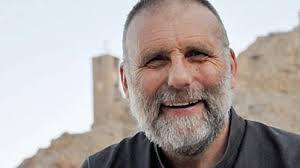
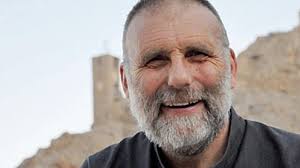
Father Paolo in front of his beloved Mar Mousa Monastery

On 29 July 2013 Father Paolo was abducted by ISIS in the Syrian city of Raqqa. There have been occasional rumours of his death at the hands of ISIS, most recently by an ISIS defector who said Paolo was shot 14 times and his body thrown into a well, but the Vatican so far has refused to confirm or deny such rumours. Until any news is definite, I will therefore keep this piece in the present tense, reissued in remembrance of a remarkable man.

Father Paolo does not fit the mould. He is not a man of conventions and has always pushed at the boundaries of what both Muslims and Christians consider acceptable. An Italian Jesuit priest, he went against the rules of his Jesuit community and set up an ecumenical monastery in the mountainous desert between Homs and Damascus.

OLYMPUS DIGITAL CAMERA

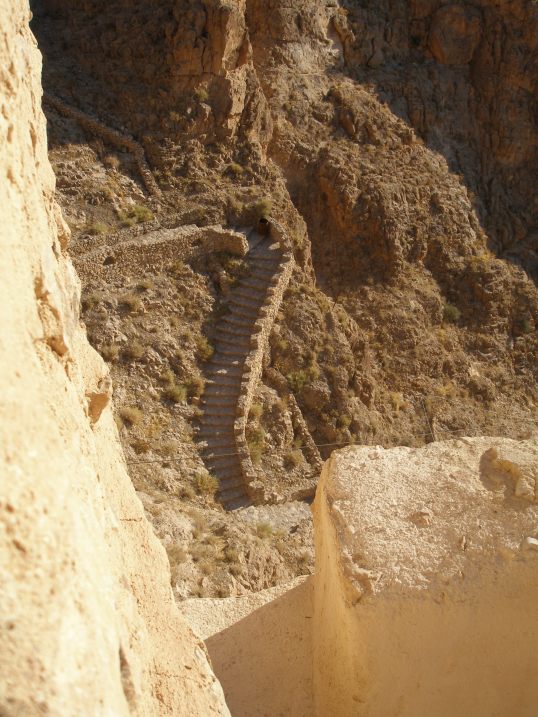
Steps leading up to the Monastery of Mar Mousa, steps which Father Paolo himself helped to build.

It represents his entire life and there is no doubt he would be prepared to die for it, for Syria and for his beliefs.

What are his beliefs? For him it does not matter whether you are Muslim or Christian, as long as you are close to God. He rejects the strict concept of ‘orders’ as very occidental: “Orders come from the West,” he always said. “In the east there are no orders.” He also felt it does not matter if you are a man or a woman, as long as your commitment to God is deep and sincere. He has always rejected what he sees as narrow-minded criticism of his allowing both monks and nuns at his community of Mar Musa. Most unusual of all though, is his conviction that he has been called to bring Islam and Christianity closer to each other. This is the whole purpose of his monastery, where masses were attended by Muslims and Christians alike. “We are here for the Muslims and for Islam”, he said. “We must not be against them. We are here for them.”

This is what he said to everyone who visited, and before the revolution up to 50,000 visitors a year came, mostly Muslims. He said it to Marius Kociejowski, who devoted a chapter to Father Paolo in The Street Philosopher and the Holy Fool, and he said it to me when I last visited him in November 2011, eight months into the Syrian Revolution when almost no foreigners came any more to Mar Musa.

On that occasion, six months before he was expelled from Syria for his outspoken criticism of the Assad regime and equally outspoken support of the Syrian Revolution, he spoke animatedly about his fears for the country. He foresaw the partition of the country and all the old divisions he was fighting so hard to dispel, resurfacing in ugly ways. He was disappointed in the position that some of his fellow Christian churchmen and women were taking in the struggle, trying to exclude themselves from the fight.

To imagine that he would stay out of Syria after his expulsion was always unrealistic. A man like Paolo could never be a bystander and watch from the sidelines. He knew the risks he took in going into Raqqa, in trying to speak to militarized extremists. The risks would not have mattered to him. What mattered was that he at least tried to negotiate, tried to reason with them not to fight against Kurdish groups. He believed in sacrificing personal happiness in pursuit of a greater goal.

“For me there is no East or West,” he said. He rejected the mould. May his philosophy never die.

Father Paolo 2 download

Related links:

http://english.al-akhbar.com/node/20110

http://www.ibtimes.co.uk/syria-jesuit-priest-paolo-dall-oglio-killed-498510

Jesuit Priest Father Paolo Dall’Oglio Shot 14 Times by Syrian Freedom Fighters (Video)


A House in Damascus

From Our Own Correspondent piece: http://www.bbc.co.uk/programmes/b0368kp4  Radio piece 4 minutes

From Our Own Correspondent full text – Syria’s Silent Majority

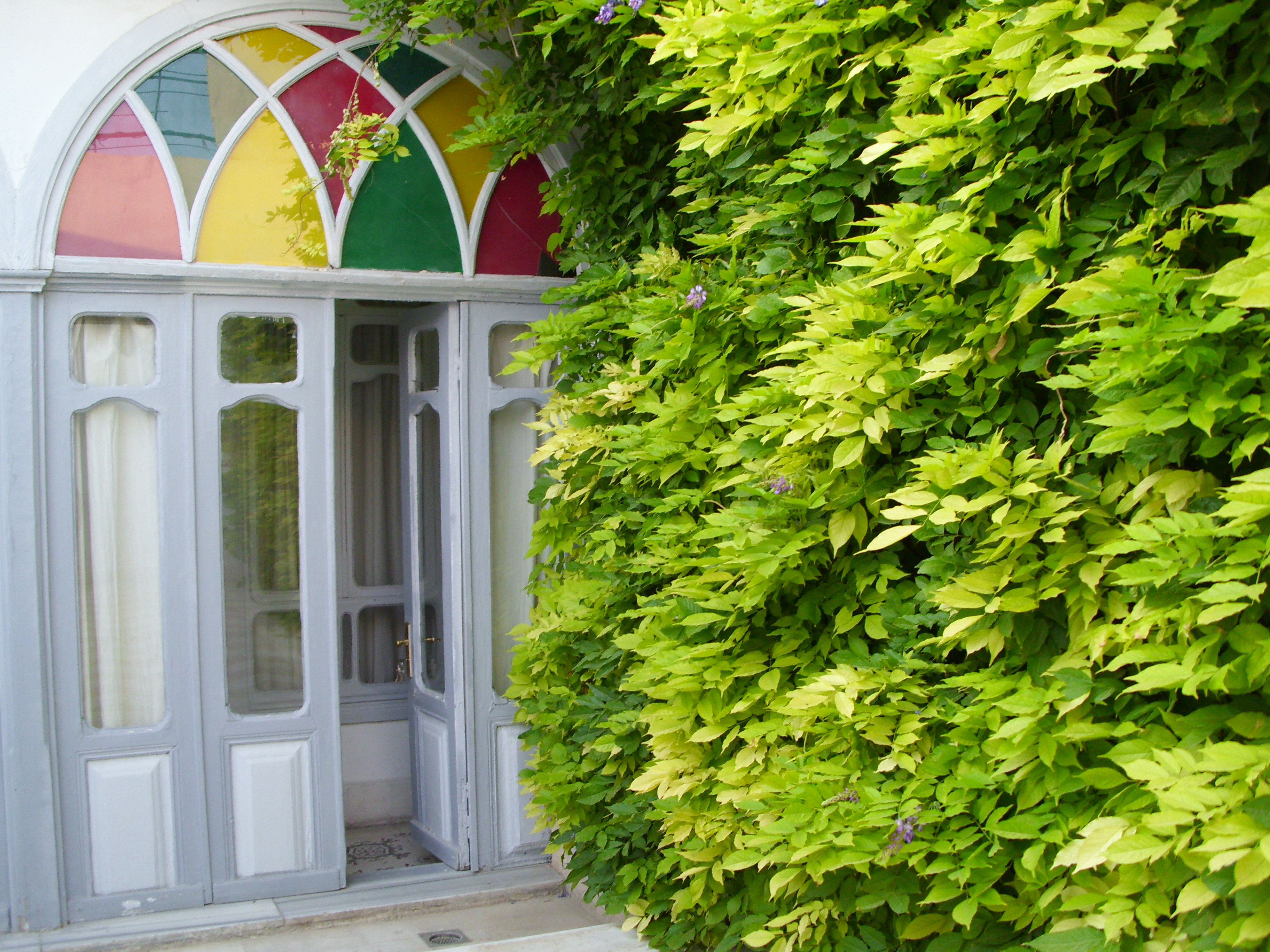
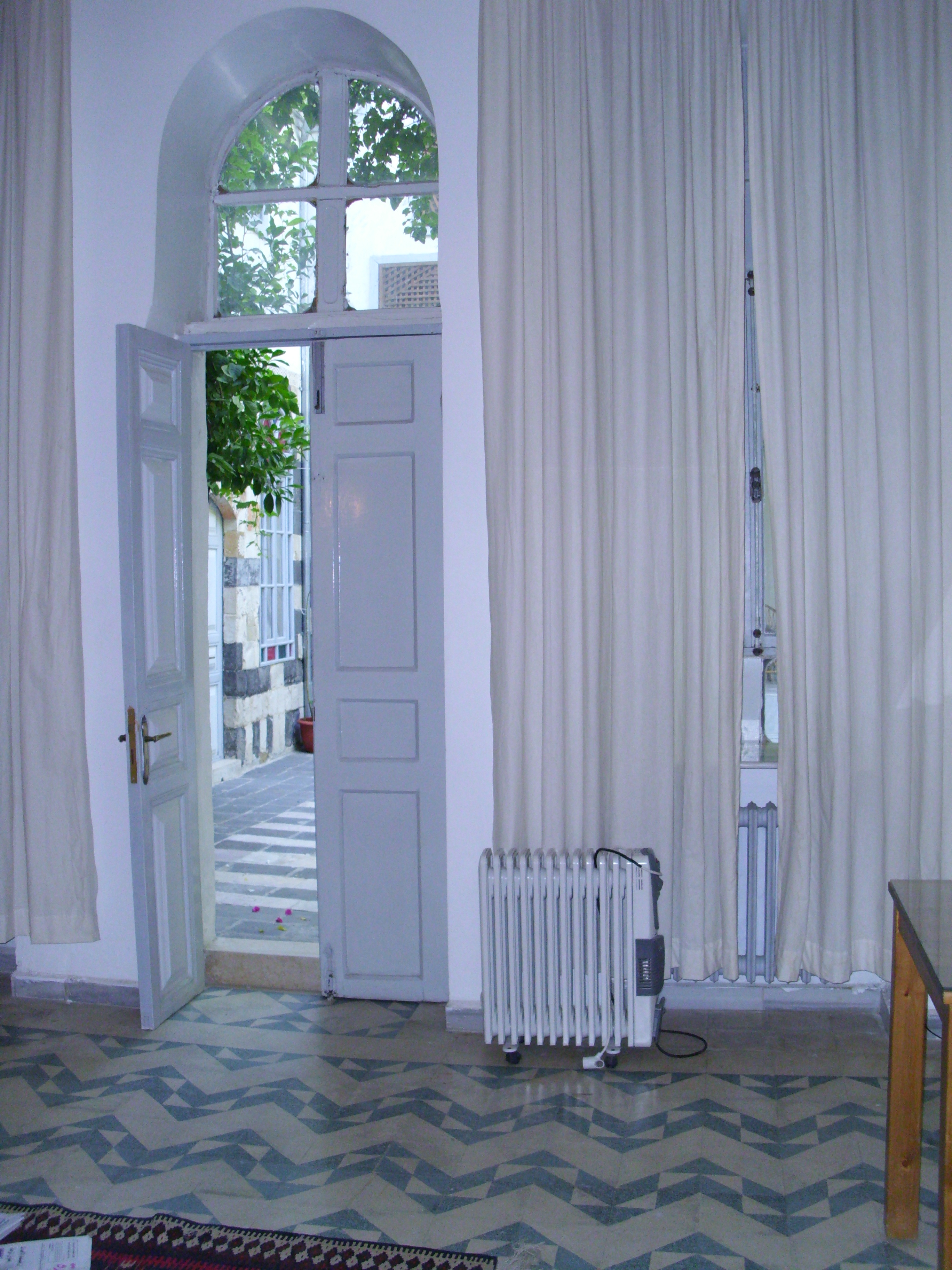
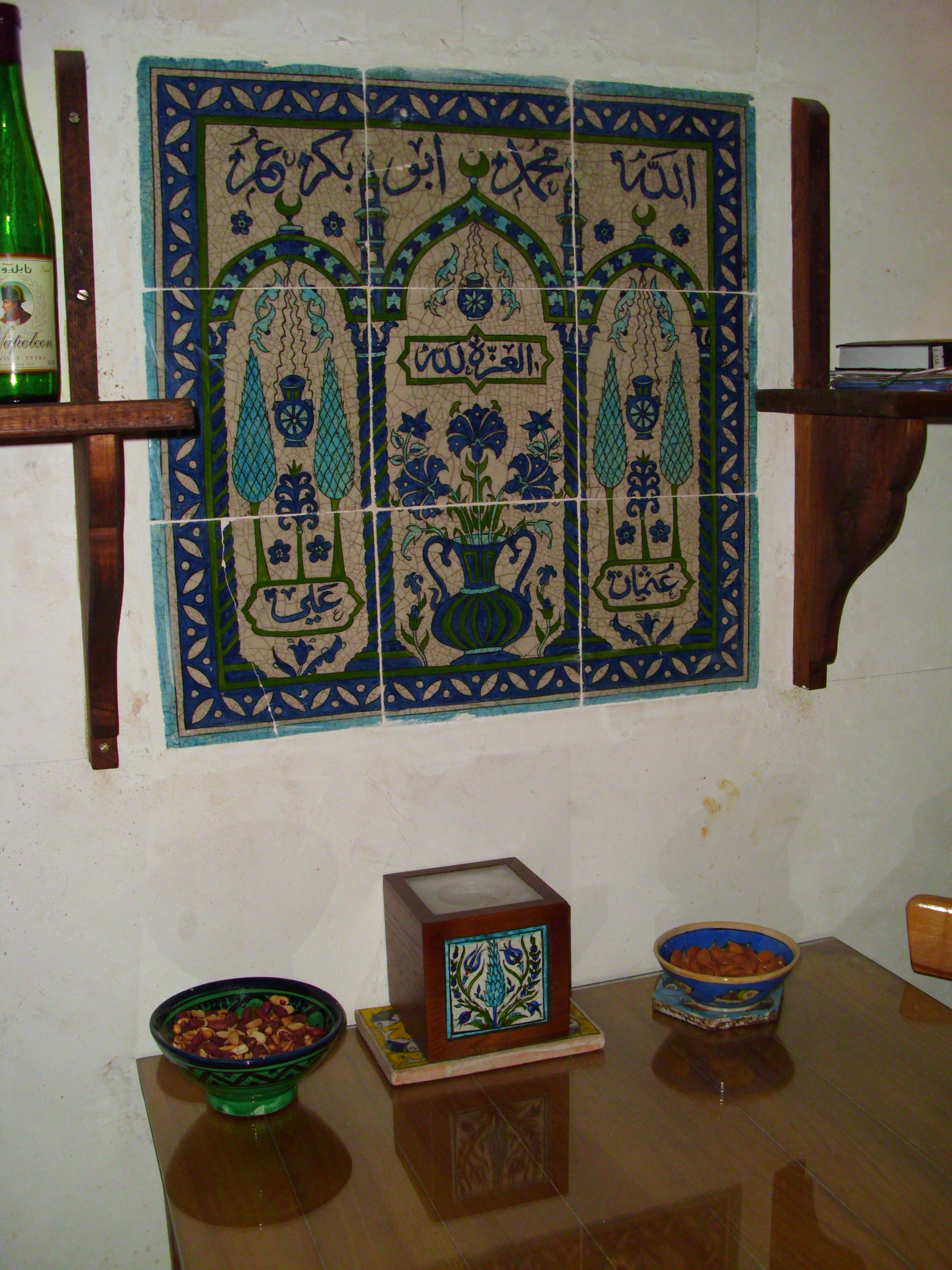
Restored Damascene courtyard houseDamascus June 2011 061Damascus June 2011 041Damascus June 2011 023Damascus June 2011 027Traditional Damascene tiles used decoratively in house restoration

Since writing this piece the ‘peoples’ committees’ (also called ‘reconciliation committees’ or more accurately ‘neighbourhood militias’) have grown in number within the Old City, raising tensions among the residents. They fear that these militias, often very young and always heavily armed, far from ‘protecting’ the Old City, will only bring the fight closer into the centre.

The radio piece begins at 6 minutes in from the programme start and lasts 4 minutes.

Damascus ‘neighbourhood militias’ being trained in Russia

Detail of an Ottoman painted ceiling in the Old City of Damascus

Detail of an Ottoman painted ceiling in the Old City of Damascus

Members of the ‘neighbourhood militias’ who now man the checkpoints in the Old City of Damascus have been receiving training in Russia, I am reliably informed. Training in what, you may ask? How to spy on your neighbours?

No, training in how to use weapons, how to fire guns, Many of the militia members are very young indeed, still teenagers. But if you are unemployed and your university/school education has been interrupted by war, the attractions of a stable job, paid for by the regime are obvious. The overwhelming majority are young men, but a few are women, some of whom – especially those stationed at the Bab Touma and Bab Sharqi checkpoints, are even wearing hijab headscarves, which is surprising.

The ordinary residents of the Old City have noticed the change, and the increase in armed patrols and checkpoints, but far from feeling safer, they are worried that these militias will increase the volatility of the Old City, hitherto a relatively safe bubble away from the fighting. What will happen next is anyone’s guess, but the residents feel highly manipulated by the presence of these militias whom they have had no say in choosing.

A rare insight into Damascus

The priceless mosaics with scenes of Paradise, Damascus Umayyad Mosque

The priceless mosaics with scenes of Paradise, Damascus Umayyad Mosque

It is rare in current reporting on Syria to find anything that goes beyond sensationalist headlines about Islamic extremists, massacres, battles won and lost. Horror stories about cannibals compete with more horror stories about rape as the international perception of Syria and its people spirals ever downwards.

But the New York Times’ recent reporting by Anne Barnard bucks the trend, showing the complexities of life in Damascus while at the same time exposing some of the regime’s ploys to control the Old City of Damascus. Barnard and her interpreter were taken by their government minder to attend one or two of the so-called ‘reconciliation’ committee meetings held in Maktab Anbar, the Ottoman palace which serves as the headquarters of the Old City’s municipal offices. But even though they were shown these meetings as examples of how the communities are cooperating to protect their neighbourhoods, they were able to see through the charade and identify many of the same attendees as members of the armed ‘neighbourhood militias’ and observe that ‘security’ was the main topic rather than ‘reconcilation’. If only more media reporting was as perceptive.

http://www.nytimes.com/2013/07/21/world/middleeast/enlisting-damascus-residents-to-answer-assads-call.html?pagewanted=all

http://www.nytimes.com/2013/07/29/world/middleeast/a-link-straight-to-syrias-ancient-past-endures-as-war-creeps-closer.html?_r=0

http://www.nytimes.com/slideshow/2013/07/29/world/middleeast/29damascus.html#1

Media’s unhelpful role in Syria

English: South facade of Church of Saint Simeo...

English: South facade of Church of Saint Simeon Stylites, Syria Français : Façade Sud de l’église de Saint-Siméon le Stylite. Syrie (Photo credit: Wikipedia)

Jon Snow at the BAFTA's

Jon Snow at the BAFTA’s (Photo credit: damo1977)

Billboard with portrait of Assad and the text ...

Billboard with portrait of Assad and the text God protects Syria on the old city wall of Damascus 2006 (Photo credit: Wikipedia)

English: View of the main (and oldest) buildin...

English: View of the main (and oldest) building of Deir Mar Musa al-Habashi or Monastery of Saint Moses the Abyssinian, Syria Français : Vue du bâtiment principal (et le plus ancien) du monastère de Mar Mousa, Syrie (Photo credit: Wikipedia)

English: Columns in Palmyra, Syria, 2009.

English: Columns in Palmyra, Syria, 2009. (Photo credit: Wikipedia)

With the notable exception of today’s Guardian focus on Syria and its refugee crisis, the UK media’s role in covering the Syrian crisis has been largely unhelpful, seeking out sensationalist but essentially peripheral aspects of the ongoing civil war. Their goal is evidently to sell more newspapers/get higher viewer/listener figures than their rivals, treating the war as a commodity for sale.

Particularly disturbing on this front was the recent coverage by Channel 4 News of British jihadi women in Syria. By showing these women, fully veiled in black except for eye slits, Kalashnikovs slung over their shoulders, going to support the war against the Assad regime by marrying and looking after extremist foreign rebels, and then focusing on them as the first item in their hour-long news programme, Channel 4 gave prominence to a small group of women who are entirely insignificant on the ground in Syria. The main effect of this news item will have been to make most British people feel even more anti-Muslim than they already are, subconsciously or consciously associating veiled women on the streets of London with terrorism. Inside Syria these women are an irrelevance.

Another example is the ‘heart-eating cannibal’ story, pure sensationalism which has done great damage to the cause of the Free Syrian Army because of the way it has been covered. The BBC was culpable on this story, by giving prominence to such a one-off event, again irrelevant on the ground inside Syria. They even allowed it to run and run, with their further feature entitled ‘Meeting the heart-eating cannibal’ by Paul Wood.

Its main effect has been worldwide outside Syria to give the public an entirely misleading picture that all Syrian rebels must be barbaric savages, encouraging people like Boris Johnson to dismiss the idea of arming the rebels as tantamount to arming a bunch of lunatics and cannibals. On the strength of damaging labels such as these, the Free Syrian Army is in despair, feeling the world is against them, and that they are losing the PR war.

Sadly in today’s media dominated world, only perception matters, not reality. Meanwhile, while we enjoy our sensationalist stories and allow ourselves to be entertained by them, a country is being destroyed and thousands of lives are being lost. Is this entertainment?

Syria

Syria (Photo credit: Zachary Baumgartner)

English: Protests in Damascus by women demonst...

English: Protests in Damascus by women demonstrators against Turkeys annexation of the Sanjak of Alexanderetta in 1939. One of the signs reads: “Our blood is sacrificed for the Syrian Arab Sanjak.” (Photo credit: Wikipedia)

Beware Damascus neighbourhood militias posing as ‘reconciliation committees’

On 21 July 2013 the New York Times published an article  http://mobile.nytimes.com/2013/07/21/world/middleeast/enlisting-damascus-residents-to-answer-assads-call.html?from=world which confirms the point I made in my recent ‘From Our Own Correspondent’ piece, first broadcast 4 July http://www.bbc.co.uk/iplayer/episode/b0368kp4/From_Our_Own_Correspondent_A_House_in_Damascus/ – ie that neighbourhood militias composed of loyalists (often no more than teenagers) armed by the Assad regime, are posing as ‘reconciliation committees’ or ‘popular committees’.

Such a PR stunt is typical of the Assad regime and illustrates well how skilled it has become in projecting its own cause. Rafiq Lotof, a Shi’ite Syrian-American, is a convincing advocate of the ‘committees’, frequently appearing on Syrian state TV as part of a very successful PR campaign, telling ordinary Syrians how, starting from what they call the ‘model’ of the ‘peace zone’ of Old City of Damascus, they will begin rolling out this scheme of ‘people’s committees’  (Arabic ‘lijaan sha’abia’) across the country.

Meanwhile the regime is being given a helping hand by the international media, who are increasingly focussing on rifts in the opposition. As a result public opinion is turning against them, starting to think of them as cannibals, maniacs and extremists, when only a tiny proportion are extremists, around 5-10% – yet all the media focus is on them as they make good stories.

It is a tragic situation and the Syrian people deserve far better. The regime will never give anything up voluntarily. It is dug in to the death and has been from day one. The FSA knows this and that is why it knows the military approach is the only way to get rid of the regime. Attempts at dialogue are futile, as the last 2 years have shown, and the regime simply pretends to go along with these attempts, then finds reasons to obfuscate, while pursuing its own goals.

My worry is that it may well now be too late to arm the rebels, and that events on the ground are simply beyond anyone’s controlling. In my view it should have been done over a year ago, if not earlier. Thanks to the disarray and inertia of the international community, the extremist elements have the perfect climate in which to grow, risking an escalation of this conflict in ways we can hardly begin to imagine.

The Syrian Arab Red Crescent (SARC) – a microcosm of Syria?

Billboard with portrait of Assad and the text ...

Billboard with portrait of Assad and the text God protects Syria on the old city wall of Damascus 2006 (Photo credit: Wikipedia)

English: View of the Umayyad Mosque, Damascus,...

English: View of the Umayyad Mosque, Damascus, Syria Français : Vue de la Grande mosquée des Omeyyades, Damas, Syrie (Photo credit: Wikipedia)

English: A volcano called Syria

English: A volcano called Syria (Photo credit: Wikipedia)

8

8 (Photo credit: Syrian Red Crescent)

In war scum rises to the top, and in Syria, as my friends inside the country tell me regularly, there is a lot of scum.

Take the Syrian Arab Red Crescent (SARC) for example. One friend applied for a job as project manager in the Damascus branch, hoping to play a useful role in helping civilian casualties caught up in the fighting. He went through several stages of rigorous assessment, and was finally offered the job. Delighted, he arrived on his first day full of enthusiasm, and was shocked to find the office full of young people sitting around doing remarkably little. It became clear very quickly that they were there thanks to their family connections – waasta in Arabic – and had no experience of project management. His job description kept changing and he was not given a contract of employment. ‘If you work here,’ his boss told him, ‘you cannot ask questions. You must just do what I say.’

The crunch came when he was handed some paperwork and told to sign it off by his boss. He read it first, something that was evidently not part of his job description. With rising horror he saw that by signing it, he would be giving his consent to blood and medical supplies being sold to an unnamed third party. He refused to sign and quit the job. He had been in it less than two weeks.

His boss tried to persuade him to stay. ‘You cannot leave,’ he said, ‘you are the only one here who knows anything about project management. We need you.’ He left anyway and is still unemployed today, wondering how he will support his young family.

The Damascus branch of SARC is run by a businessman with close ties to President Bashar Al-Assad. It is controlled by the regime, as are all official charities inside Syria, and hence an extension of the Assad clan’s vast business empire. The aid it does distribute is channeled overwhelmingly to regime-dominated areas.

That said, there are within parts of SARC many highly committed individuals doing their best to help their country, regularly putting themselves at risk, working within opposition-held areas. Many young SARC volunteers try to remain staunchly neutral, concentrating only on helping their fellow Syrians, whoever they may be.

SARC is perhaps a symbolic microcosm of Syria – it has neutral elements that  refuse to take sides – decent people who just want to get on with their lives and jobs and to work towards peace. They probably constitute the vast majority. Then it has people who actively help the opposition-held regions, thereby putting themselves and their families at risk – most have been detained at some point by the regime. And then it has evil corrupt elements which see Syria’s chaos as an opportunity to enrich themselves – and they, tragically, continue to hold the reins of power, both within SARC and within Syria.

The scum is sitting comfortably on top of the cleaner water. It will stay there till someone either scoops it off, giving the cleaner elements below a chance, or until someone pulls the plug, at which point all elements, good and bad, will be lost down the drain.

Flag of the Red Crescent

Flag of the Red Crescent (Photo credit: Wikipedia)

No appetite for war in Eastern Turkey – except with Israel

My research trip to Eastern Turkey over the last couple of weeks yielded some unexpected discoveries. The trip was designed to update my Bradt Eastern Turkey guide for its second edition, but I kept finding myself sucked towards the Syrian border.

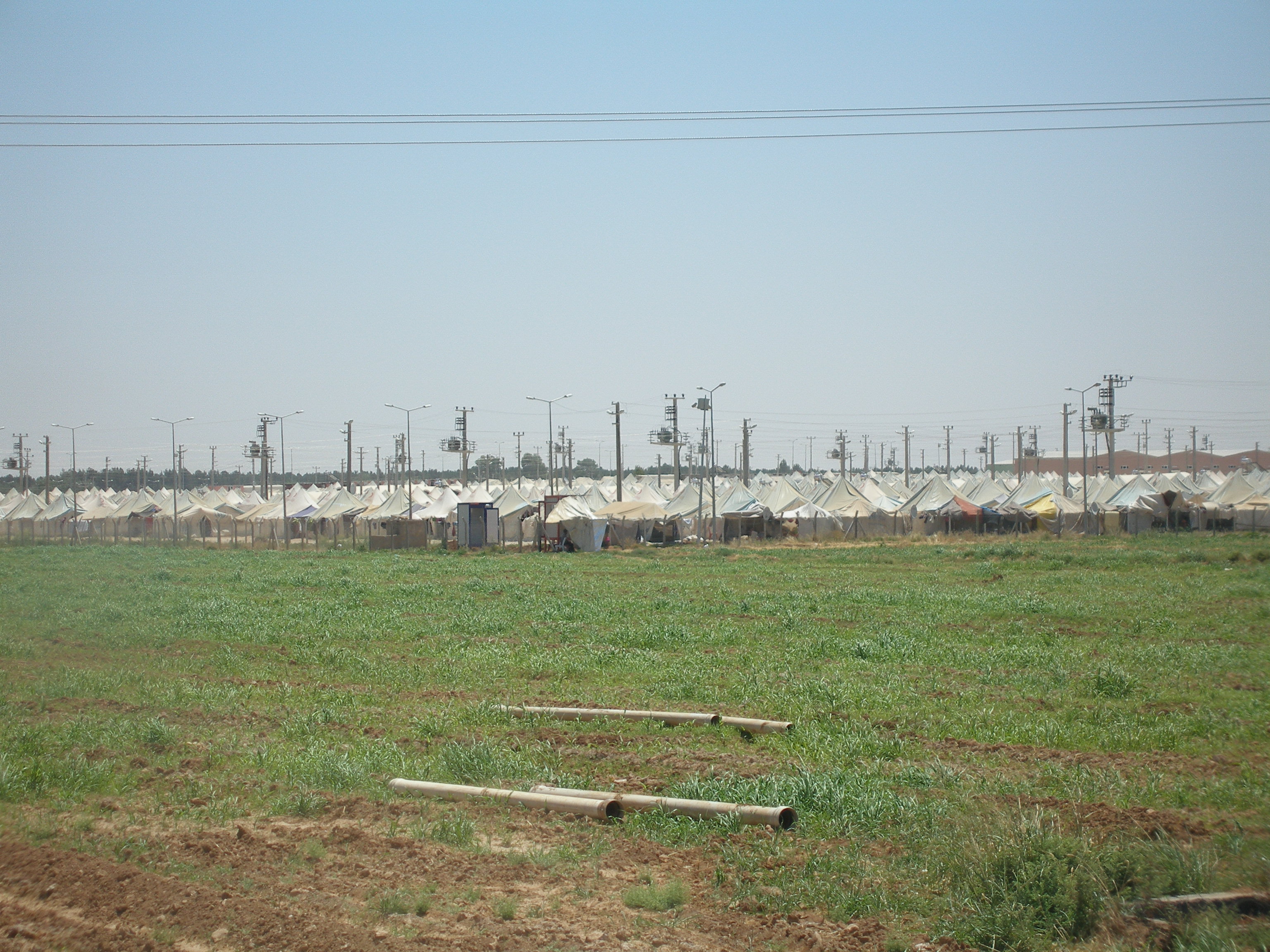
After revisiting Urfa’s Balikli Gol, the sacred fish ‘Pool of Abraham’ in temperatures of 40C, I drove 45km south to Harran to inspect its famous termite-like beehive houses, relics of biblical living, and its ancient university on the site of a pagan moon temple. All was quiet and exactly as I remembered it, so I drove on just 15km kilometres further south to Akcakale, the border town with Syria where five civilians were killed in October 2012 by shells fired from inside Syria. All quiet now, but on the edge of town I was startled to see a heavily crowded tent city, hemmed in by barbed wire fence. Its misery was palpable even from a distance. Designed to house 23,000 Syrian refugees, I later learnt it was now home to 36,000, a figure that defied belief. How could so many possibly live in such conditions in such stifling heat – let alone in Ramadan, due to start in a few days’ time?

I drove back and forth along the main road in front of the camp, feeling helpless, passing  several families hitching lifts, wondering if I should stop for them, but fearful in case I was in turn stopped by the Turkish authorities and in some way implicated for my involvement. Stories had reached me about how some Syrians were starting to run away from the camps, desperate to lead something closer to a normal life, after months of confinement.

In the end I decided my most useful contribution would be to give my food away – my picnic lunch plus two bags of nuts I had bought in Gaziantep market a few days earlier. Driving slowly, I pinpointed two small boys returning towards the camp who were carrying nothing at all. When I stopped and got out of the car to offer them the food, they were visibly startled and frightened, and required some coaxing to take the bags from me. They spoke neither Turkish nor Arabic and I wondered afterwards if they might have been Kurdish, since the area around Tell Al-Abyad across the border was a heavily Kurdish part of Syria. When I looked in the rear view mirror after driving off, I saw they had quickened their pace, hurrying back to the camp with their unexpected gift. It was an image that has stayed with me since.

Syrian refugee camp at Akcakale, south of Harran, Turkey (DD)

Syrian refugee camp at Akcakale, south of Harran, Turkey (DD)

The road past the front of Turkey's Akcakale camp for Syrian refugees (DD)

The road past the front of Turkey’s Akcakale camp for Syrian refugees (DD)

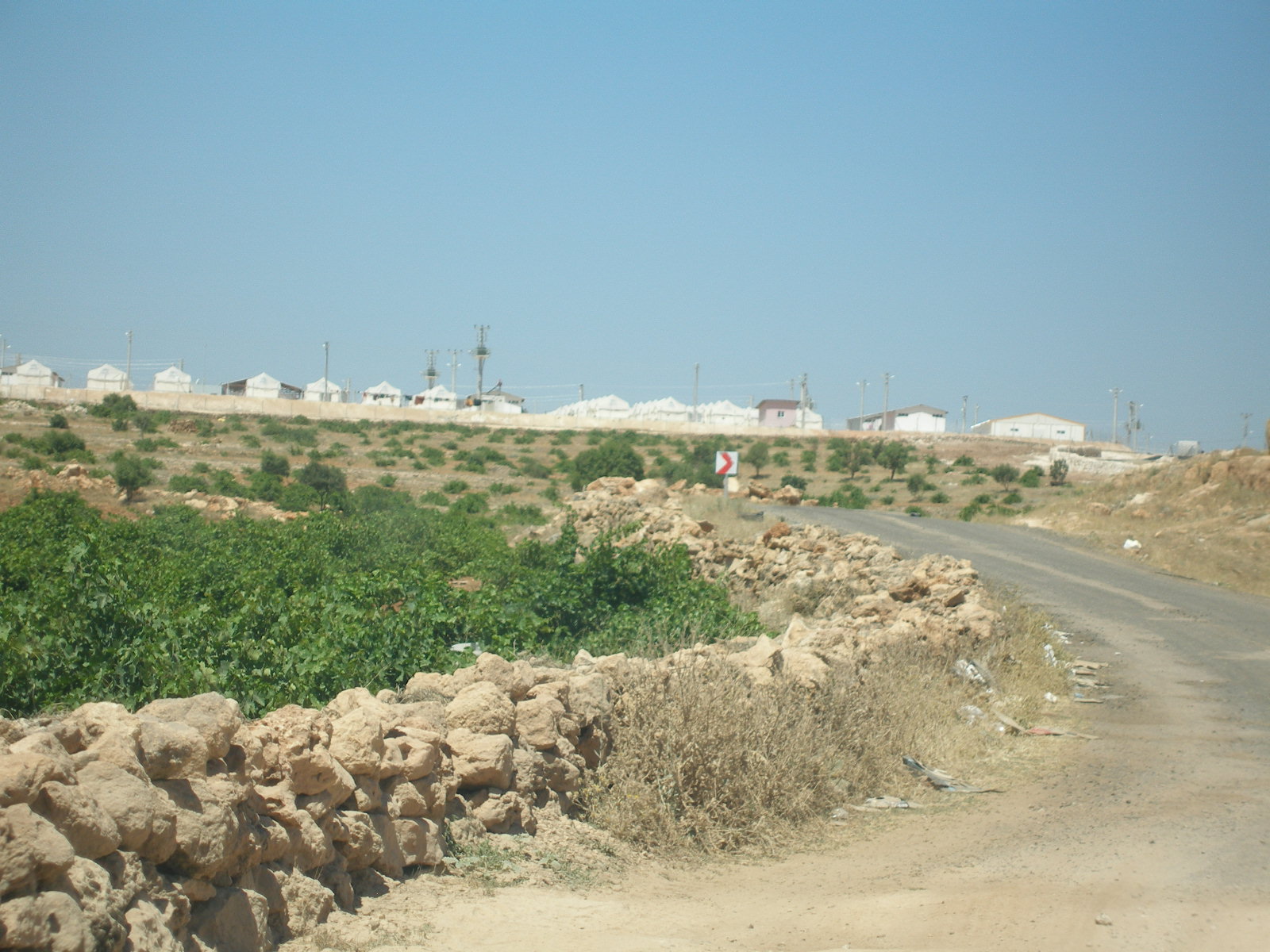
A few days later in Midyat on the way to visit the Syriac Orthodox Monastery at Gulgoze (Syriac name Ainwardo), I stumbled on another refugee camp. In contrast to the camp at Akcakale, this one was spacious and well-appointed, with cabins rather than tents, and numerous bathroom blocks similar to a European camp-site. Far from being overcrowded, it seemed largely uninhabited.

My subsequent enquiries explained why – the camp had only been built about three months ago, on land donated by a wealthy Syriac businessman, and was only for use by Syrian Christians.

Refugee camp for Syrian Christians in Midyat's Turkey (DD)

Refugee camp for Syrian Christians in Midyat’s Turkey (DD)

Syriac Monastery of St Cyriacus at Gulgoze, south of Midyat

Syriac Monastery of St Cyriacus at Gulgoze, south of Midyat (DD)

‘We feel very sorry for the people of Syria, and of course we have to help them when they come across the border to us. But we don’t want our government to go to war against the Syrian regime. We have problems of our own in Turkey, and our government should concentrate on those, not get involved in a difficult war next door.’

But a handful of people, Sunni Turks to a man, went one step further. ‘We don’t want war with Syria. But if this war grows and  becomes a war against Israel, that would be different. For that we would be ready…’

Post Navigation