Alabaster sarcophagus of Hafez being stroked in reverence
Far from being a homogenous grouping of devout Muslims, as the last 47 years of rule by the Islamic Republic would have us believe, Iran’s population of 93 million is a diverse multi-ethnic people. ‘We never did Islam the way they wanted us to,’ was the clear refrain I met from Iranians during my last tour of Iran. The empty mosques bore witness, serving largely as places for men to take a nap on the carpet during their lunch break. This was in September 2014, shortly after the UK and Iran announced their intention to resume diplomatic relations, broken off in 2011 following the storming of the British Embassy in Tehran by protesters chanting ‘Death to England.’ Decades of colonial interference in Iranian affairs, including the 1953 coup to install the Shah as absolute ruler (codenamed Operation Boot) to protect Britain’s oil interests, have left little love lost between the UK and Iran.
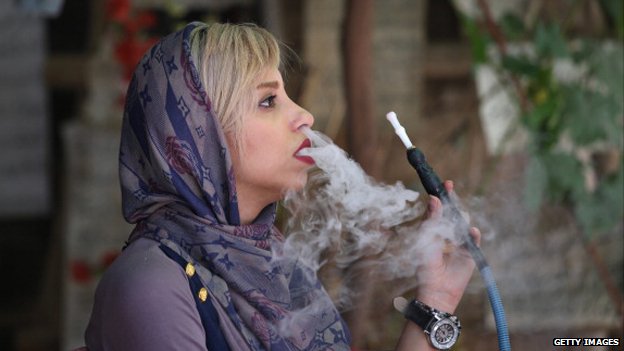
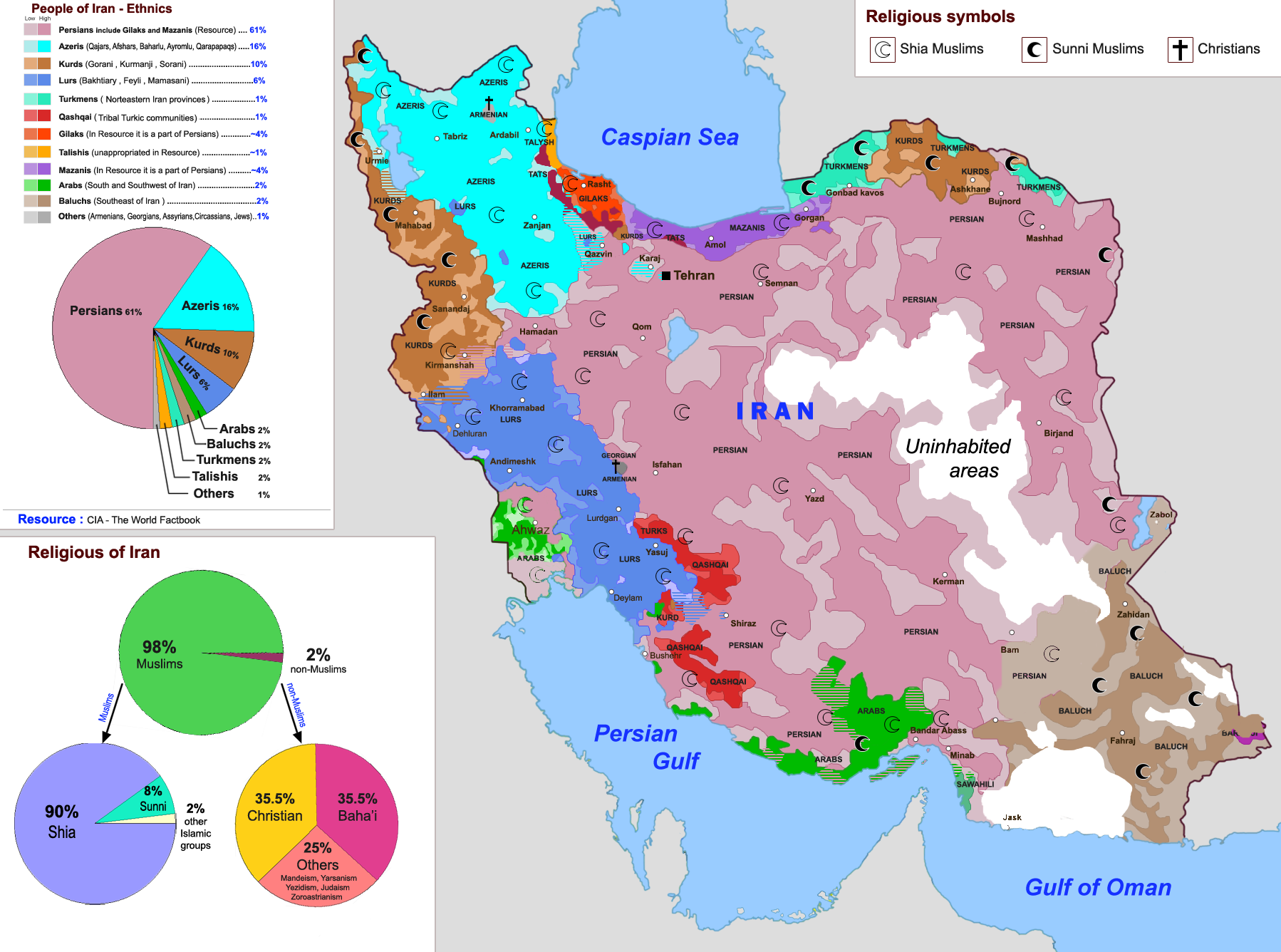
Today’s Iranian government officially registers all citizens born to Muslim parents as Muslim, an act which effectively masks the true personal beliefs of the younger generation. It does not, however, officially collect detailed ethnic data in its census, so figures are of necessity estimates, but the World Population Review 2026 gives a 51-61% core of Persians, 16-24% Azerbaijanis, 7-10% Kurds, 8% Gilaks and Mazandaranis, 2-6% Lurs, 2-3% Arabs, 2% Baluch and 2% Turkmen and other Turkic groups.
What these diverse multi-ethnic groups do, however, share, is a strong cultural identity. The joke runs that in every Iranian home there are two books, Hafez and the Qur’an. One is read and the other unread.
Hafez, the fourteenth century national poet, represents the rich complexities of Iran’s identity. His tomb in Shiraz, Iran’s most liberal city, is a place of pilgrimage day and night, with crowds of devotees stroking his alabaster sarcophagus. His poetry, besides lauding the joys of love and wine, also targets religious hypocrisy. “Preachers who display their piety in prayers and pulpit”, he wrote 600 years ago, “behave differently when they are alone. Why do those who decree repentance do so little of it?”
While the West remains obsessed with Iran’s nuclear enrichment, it is an open secret that well-connected clerics and businessmen enrich themselves through sanction busting. When I lacked the cash in Isfahan to buy a rug, the dealer simply rang a friend in Dubai and processed the supposedly banned credit card transaction. It duly appeared on my statement as a purchase made in Dubai.
Despite the mullahs’ best endeavours – or maybe because of them – there have been fundamental changes in Iranian society since the revolution in 1979. More women than men now graduate from university, leading to a well-educated female population that is refusing to breed, despite government incentives: ironically, a consequence of the mullahs’ own policy of spreading education.
Though the minorities are usually blended in the cities, many are concentrated in the border regions: the Kurds in the northwest, the Beluch in the southeast, the Turkmen in the northeast and the Arabs in the oil-rich southwest. If the central authority of the IRGC were to collapse, it could trigger a significant splintering in peripheral regions where historical grievances and armed movements are most deeply embedded. The Kurds in particular are the most potent ethnic opposition, and have a history of revolution against the Iranian regime, but also of disunity, frequently descending into infighting. The best organized are the PKK, Turkey’s nemesis, whom President Erdogan would be furious to see armed by the US, as Trump has hinted.
Given the lack of unified opposition to the IRGC, a power vacuum could see chaos, civil war and a resurgence of movements seeking independence. Deep divisions exist between the Persia-centric opposition royalists who would welcome the return of the Shah’s son, Reza Pahlavi, and the ethnic minorities.
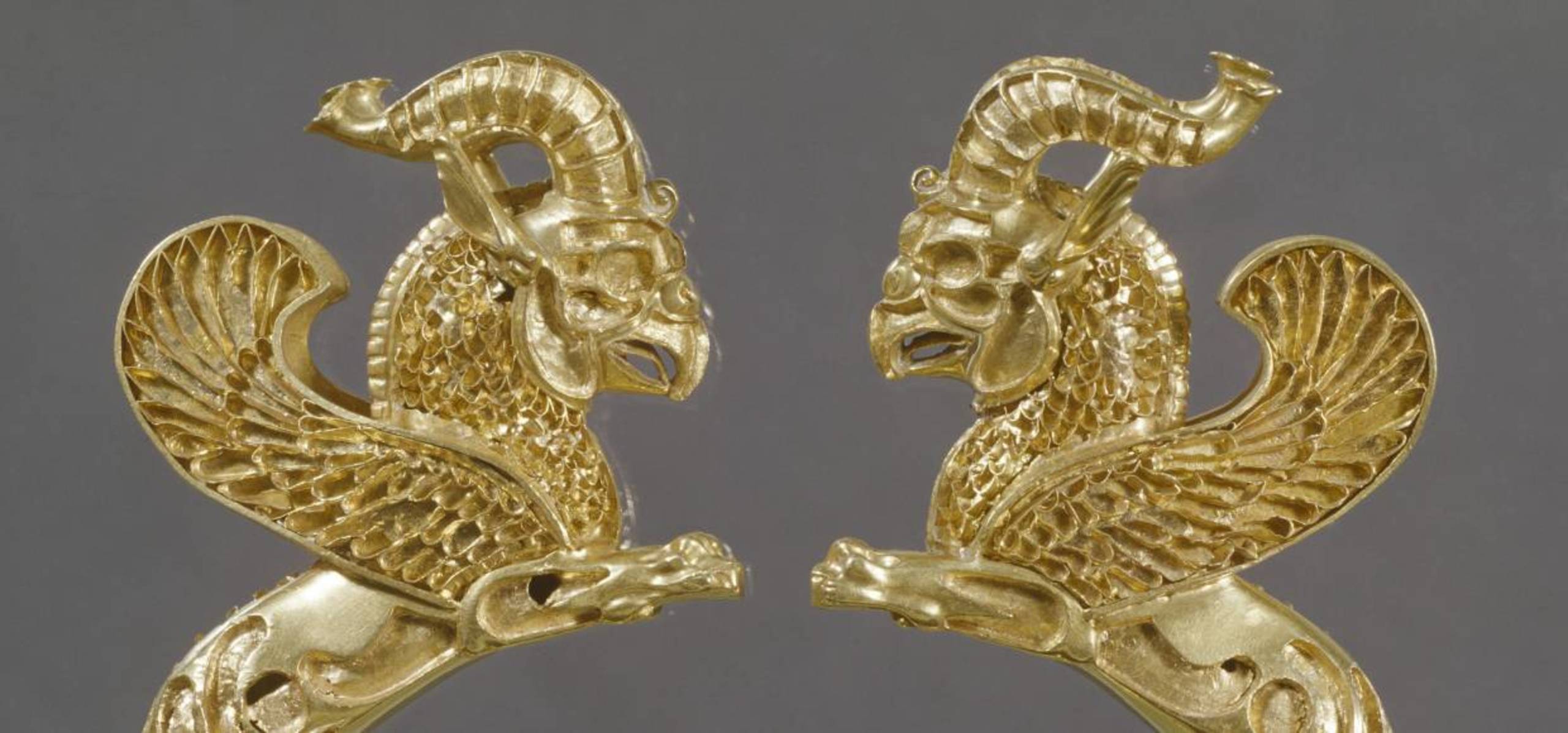
Recent independent surveys have found that Iranians are increasingly embracing their pre-Islamic heritage as another way of expressing anti-regime sentiment. There is immense pride in the unique Persian identity of their ancient Zoroastrian religion, almost as a kind of cultural nationalism. With origins to much earlier than 600BC, when Cyrus the Great adopted it as the state faith, it is one of the world’s first monotheistic religions, introducing the idea of a single supreme deity, Ahura Mazda, often represented as an eagle- winged disc with a human figure emerging from the centre. Scholars believe Zoroastrianism profoundly shaped the foundations of Judaism, Christianity and Islam, specifically its belief in the dualism of the eternal struggle between good and evil, the Final Judgement, angels and demons, the resurrection of the dead, and heaven and hell.
In 1979 the mullahs did a deal, allowing Zoroastrians one seat in Parliament if they did not oppose the regime. The fire temple in Yazd, spiritual heart of Zoroastrianism, has burned for over 1500 years, and the faith today is said to be experiencing a resurgence especially among young Iranians, among whom there is a marked trend away from traditional religious practice.
[Some elements of this article first appeared in a feature entitled ‘The ghosts of Iran’ published in The Tablet magazine, 12 March 2026, co-authored with John McHugo.]
With its future in the balance, a cultural historian looks past the corruption, violence and trauma of recent decades to the almost lost history of collaboration and shared traditions between Muslims in Syria and Christians in Europe. By DIANA DARKE [as first published 10 January 2025 in The Tablet]
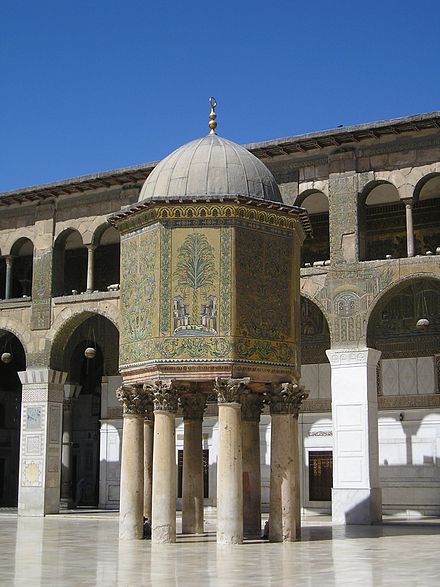
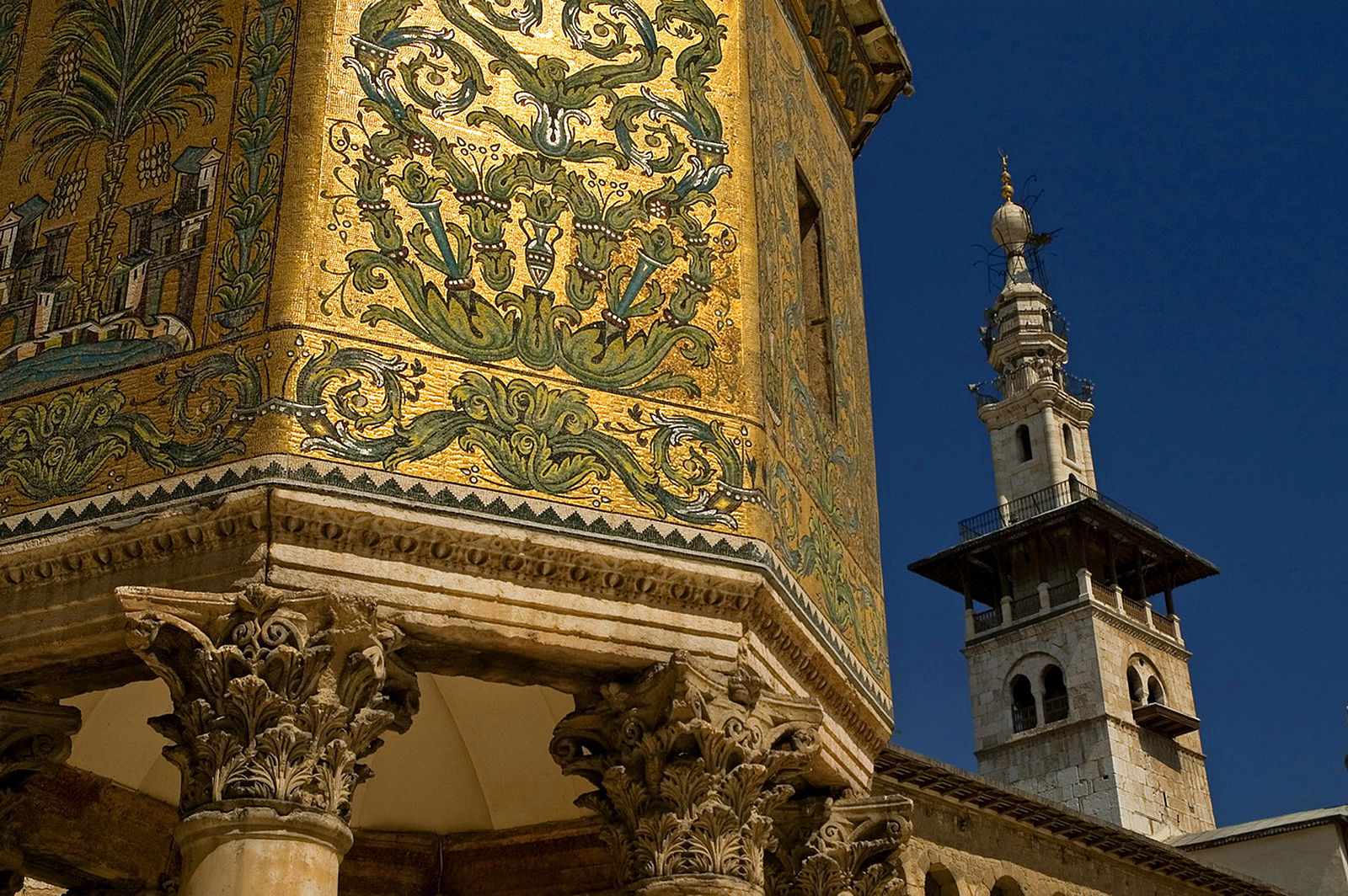
Buildings have stories to tell, in Syria none more perhaps than the magnificent Umayyad Mosque in the heart of the walled Old City of Damascus. It embodies the very soul of Syria, a sacred site where for over two millennia multiple civilisations and religions – Aramean, Greek, Roman, Byzantine and Islamic – have coalesced yet also survived in their own unique form. No surprise, therefore, that the new de facto ruler of Syria, Ahmad al-Shar’a, leader of Hay’at Tahrir al-Sham, the Organisation for the Liberation of Syria (HTS), chose to head straight there to pray after entering the city on 8 December.
Syria has long been overwhelmingly Muslim but the Umayyad Mosque claims the heads of John the Baptist as well as Hussein, the Prophet Muhammad’s grandson. While still a cathedral, following the Muslim conquest of Damascus in 634, the building was shared by Christians and Muslims for close to a hundred years, as were the cathedrals of Homs and Hama. They were only converted to mosques once the Muslim population, small at first, gradually expanded. Top Byzantine Christian mosaicists then followed the brief of new Umayyad masters to cover the walls of the courtyard with breathtaking visions of the Islamic Paradise, timeless landscapes of fantasised trees, gardens, rivers and palaces in shimmering green and gold.
When rulers change, life for those uninvolved in the fighting tends to continue as before. The best architects and craftsmen are summoned to work on new prestige projects, irrespective of their religion, just as the most entrepreneurial businessmen find new opportunities. It was the same in Umayyad Spain when elite Muslim craftsmen were summoned by new Christian rulers during the Reconquista, to transfer their innovative engineering technologies like pointed arches and ribbed vaulting, as well as their decorative repertoires, to prestige abbeys and cathedrals. As late as 1492 the Catholic monarchs Ferdinand and Isabella appointed a Muslim master builder to look after all royal buildings in Aragon, a position that then passed to his son.
I bought a semi-derelict Ottoman courtyard house in Old Damascus in 2005. Full of wonder that I, as a foreigner, was able to buy a chunk of a UNESCO World Heritage site, I embarked on a three-year restoration project, guided by a Syrian architect and a team of fifteen craftsmen, experiencing first-hand the labyrinthine corruption of government and legal systems. To learn more about the house itself, I re-entered the academic world to study Islamic art and architecture. Deciphering the decorative styles of the house gave me the essential foundation for my subsequent work, connecting the almost lost history of collaboration and shared traditions between Muslims in Syria and Christians in Europe, traditions that formed the springboard for the architectural styles we know in Europe as “Romanesque” and “Gothic”.
In the new Syria of 2025 a Christian wheeler-dealer who made a fortune during the war in the transportation business is now raking it in as a high-end hotelier. Among Aleppo’s traditional soap-making family businesses, trade is up by 80%. My lawyer, who throughout the war bemoaned the fact that most of his caseload was divorce work, is now kept busy by clients asking questions he cannot answer. Many, like me, had their houses stolen during the war by profiteers writing fabricated intelligence reports against them. By a miracle, despite being labelled a British terrorist with links to armed groups, I went back in 2014 and retook possession, evicting my previous lawyer, his mistress and baby, along with a fake general on a forged lease.
The interim government faces huge challenges. Disentangling the different currencies, legal and education systems that operate in the different regions of Syria will take a long time. Add to that the complication of how to monitor the movements of returning refugees, as well as compiling a new electoral roll, and the three-year period Al-Shar’a suggested last week will be needed to draft a new constitution – four years for proper elections – in a unified Syria, becomes an ambitious target.
Al-Shar’a has promised to make Syria inclusive for all, including women. The country’s central bank has just appointed its first-ever female governor. Many commentators outside the country gnash their teeth, convinced that HTS, a Sunni Islamist group once aligned with Islamic State and al-Qaeda, remains a jihadi extremist outfit similar to the Taliban. Yet at least so far, its leaders appear ready, as are the majority of Syrians inside the country, to take Syria on a new trajectory, and seem prepared to engage pragmatically with the “international community” that failed it so badly, some elements of which even went so far as to rehabilitate Assad as if he were a fact of life, never understanding how hollowed-out his regime was, how unrepresentative of the overwhelming majority of Syrian people.
Syrian friends forced into exile during the war (along with nearly a third of the Syrian population) are scattered across Lebanon, Jordan, Turkey, Germany, Norway and Canada. From a range of professions – architect, lawyer, hotelier, tour guide, environmentalist – not one of them was able to continue their former work in their host countries. All struggled to make new lives for themselves and they feel they have lost thirteen years of their life. Even harder to bear is how in recent years refugees from Syria have been made to feel increasingly unwelcome, the mood turning against them in their host countries as right-wing populism has risen to heights where it is destabilising Europe as well as Syria’s neighbours. Most now plan to return, to rebuild their lives and their country, bringing with them new expertise and knowledge. After Germany’s 6000-plus Syrian doctors have left, they will be missed by its aging population, their worth only recognised once it is too late. Friends who stayed also feel the last thirteen years have been wasted, their country devastated by aerial bombardment from the Assad regime and Russia, sanctioned and isolated from the outside world.
Nothing screams “CHANGE” to me more loudly than the sudden arrival since 8 December of the world’s media, banned since 2011. During the 54 years of the Assad dynasty’s rule – 30 years under Hafez from 1970 till his death from leukemia in 2000 and 24 years under his second son Bashar – it was never easy for journalists to get visas into Syria. Control of the narrative was always an essential part of the Assad grip on power.
“Come in and report without restriction” was the message from al-Shar’a. In a country with so many secrets to uncover it is a journalist’s dream come true. Heartwarming scenes like a man exiled for 50 years reuniting with his 100-year-old mother have competed on our screens with tales of torture and abuse from the prisoners streaming out of the “slaughterhouse” in Seydnaya. Thank God the Assads’ filthy linen has been exposed for all to see.
Blacklisted for years, I was able to slip into Syria seven times since the uprising began in March 2011, most recently as part of the Crazy Club, hiding under the cassocks of the clergy. Now I can return openly. The situation inside Syria is complicated and varies considerably from region to region but prices for most things have got cheaper and the Syrian pound’s exchange rate has stabilised. Embassies are re-opening, schools and universities have reopened and civil servants are back at work. In Damascus the hotels and restaurants are brimming, not just with journalists but also with foreign delegations – even from the US – queuing to offer support and investment. But water and electricity remain in short supply. As the architect living in my house explains: “They told us, ‘You were silently patient for 54 years, be patient for a few more days and you will have bright times to come.’ But it turns out we have no infrastructure. We still have electricity for only one hour in the day and one hour in the night.”
Even so, he is happy, along with my other Syrian friends, that they are starting the New Year without Assad. Turkey has taken on responsibility for repairing the airports, roads and trains while Qatar will get priority in the energy sector. The White Helmets, trained to dig bodies out from under the rubble of Russian and regime air strikes, are now redeployed to clear that same rubble left untouched by Assad for years.
Much of Syria’s cultural heritage, damaged across the centuries by fires, earthquakes and wars, has later been rebuilt, each time more beautiful than before. The Umayyad Mosque’s Jesus Minaret, added in the eleventh century, resembles a campanile, and is named for the spot where, according to local folklore, Christ will descend on the Day of Final Judgement, a blending of Christian and Muslim beliefs typical of Syria. Mary receives more mentions in the Qu’ran than in the New Testament, and Old Testament stories like Abraham and the sacrifice of his son form key festivals in Islam. Syrian Muslims have historically attended church services at Christmas and Easter with Christian friends, while mosques have welcomed those of all faiths and none.
The pressures are great and the future is precarious, but the Syrian people have the skills, the ingenuity, the innovative mindset and instinct for survival, despite the obvious deep trauma and hurt, to create a new Syria, one that may ultimately serve as a model for the wider Middle East.
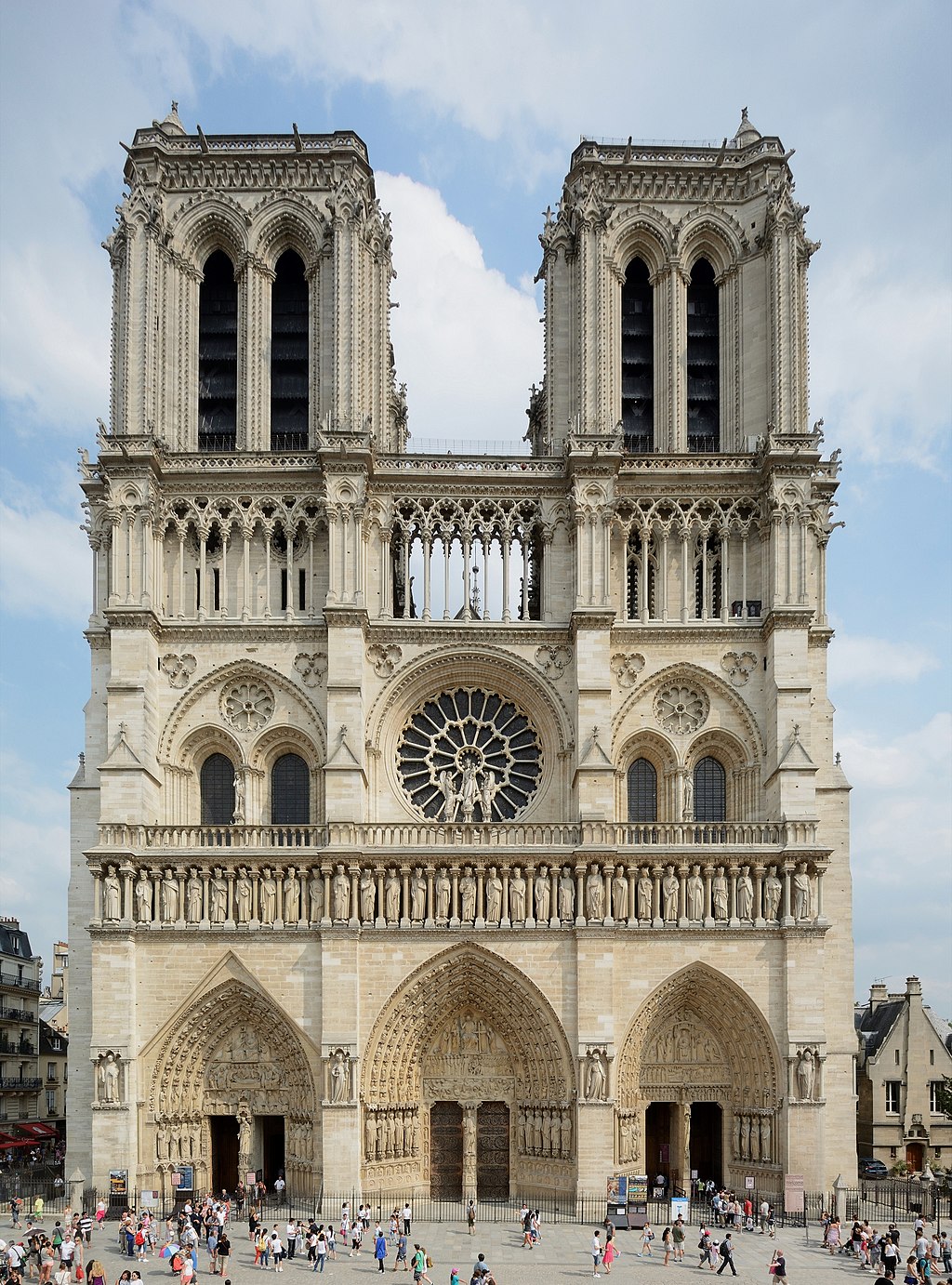
In a surreal twist of timing, President-elect Donald Trump was the guest of honour at Notre-Dame’s special reopening service on 7 December, at the very same time that the rebel offensive in Syria was reaching its whirlwind climax. Hours later, on Sunday 8 December, the world woke up to find that the Assad regime had vanished, following Bashar al-Assad’s night-time escape to Moscow, and that Notre-Dame was fully open to the public, following its intensive five-year restoration after the 19 April 2019 fire.
Syria too has been burning for the last 13 years. ‘Assad or we burn the country,’ was the message scrawled on walls across the country by his much-feared shabiha (secret police), along with slogans like ‘There is no god but Bashar’ and ‘Do not kneel for God, kneel for Bashar’.
Syria and Notre-Dame now both face a new future simultaneously. Restoring a fire-damaged medieval cathedral to a tight deadline was a huge challenge, one that many people thought impossible. Rebuilding an entire country, restoring its social fabric, regenerating its decimated economy after so many years of war is, of course, a challenge of an entirely different order, one that is almost beyond conceiving, a challenge that will involve many difficult steps and take many decades to achieve. But it is doable, with the right backing.
Did Trump give a single thought to Syria as he sat through the cathedral service? Probably not. Arriving in Paris that morning, he had dismissed the country, posting on his Truth Social network: “Syria is a mess, but is not our friend,” then adding “THE UNITED STATES SHOULD HAVE NOTHING TO DO WITH IT. THIS IS NOT OUR FIGHT. LET IT PLAY OUT. DO NOT GET INVOLVED!”
The very next day, however, the dynamics on the ground inside Syria had suddenly changed in a way no one had thought possible. In less than a fortnight the Islamist rebels from Idlib had swept out from the north, taking charge of Aleppo, Hama and Homs, while Druze rebels from Suweida in the south surged up to take the capital Damascus just in advance of them.
Despite his determination not to get involved, Trump may yet find himself, once in office on 23 January 2025, wrestling with decisions about the new Syria that will affect America directly – what to do about the US troops still stationed there, whether or not to support the Kurdish-led SDF (Syrian Democratic Forces) in Syria’s oil-rich northeast, whether to use them to clamp down on a resurgent ISIS and above all, whether to lift the sanctions and the rebels’ terrorist designation in order to allow the country to rebuild. Speed is of the essence, as with Notre-Dame’s rebuilding, so that everyone believes in the project and its feasibility.
Notre-Dame’sConnections to ‘Stealing from the Saracens’ and ‘Islamesque’
‘Islamesque’ is a revolutionary piece of research, challenging the European art history world and its use of the architectural term ‘Romanesque’. The book has garnered a starred review in Publishers Weekly, an honour awarded to books ‘of exceptional quality and distinction’. Yet while my attention would ordinarily have been focused on ‘Islamesque’, I have found myself instead consumed by the new developments inside Syria, following every twist and turn, even asked to give media interviews by outlets like the BBC. My Syrian friends, both inside and outside the country, are ecstatic about the demise of the Assad regime. The ones inside said it felt unreal, as if they were watching a movie, with events all around them unfolding so quickly. After 54 years of milking the country like their own private farm, the old regime, its posters of Bashar so omnipresent, just melted away overnight. Their illusion of strength and invincibility was, in my view, always hollow, held in place by little more than fear and by the terrible tentacles of the Assad security and intelligence branches, all seventeen of them, modelled on East Germany’s monstrous STASI, a network that reached into all corners of society, leading people to believe that even the walls had ears. Such fear does not breed loyalty – it used to annoy me when commentators said that Assad still had a lot of support among Syrians inside the country.
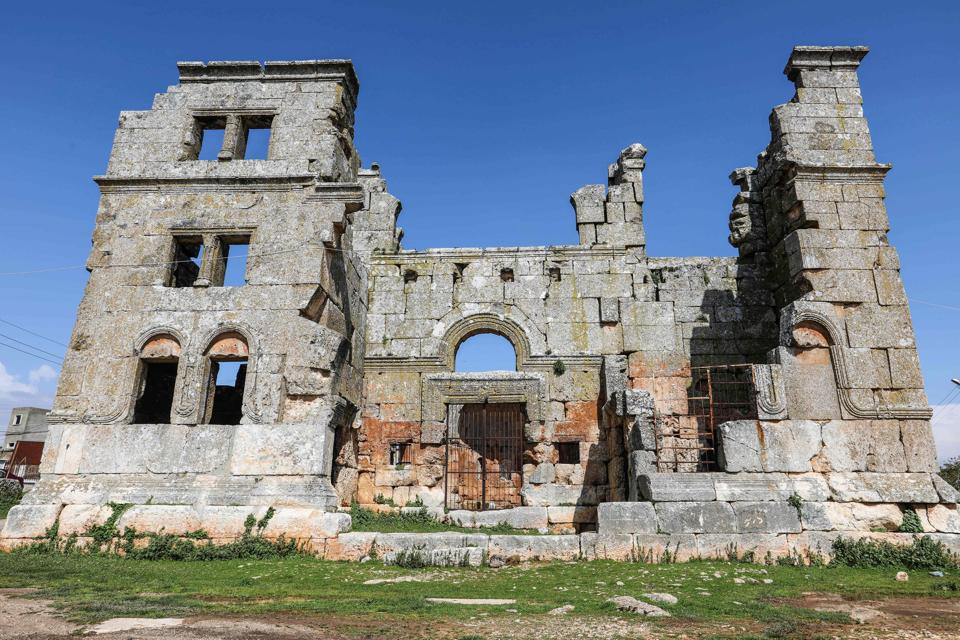
Syria and Notre-Dame also share many connections. For example – and you will find no mention of this in any of the overwhelmingly Europe-focused documentaries, books and articles written about the cathedral’s restoration – the structure’s sturdiness can be traced back to early fifth, sixth and seventh century archetypes of the twin tower model still extant in Syria’s northwest, where stonemasonry skills are literally as old as the hills. The three limestone massifs of Jebel Zawiya, Jebel Barisha and Jebel Ala formed the local building material for all Syria’s early churches. Close to two thousand such structures remain scattered among the ruins of some eight hundred settlements in the rebel-held Idlib Province, despite the Assad regime’s and Russia’s aerial bombardment of the last decade and despite the heavy earthquakes that have afflicted this region of northwest Syria since time immemorial, . These Byzantine settlements, known as the Forgotten Cities, were designated a UNESCO World Heritage Site in June 2011, just three months after the start of the Syrian war.
Trump is almost certainly unaware of these and the many other cultural connections between Notre-Dame and Syria, let alone how the Gothic or ‘Saracen’ elements in Notre-Dame cathedral then found their way across the Atlantic, into cathedrals like Washington DC’s National Cathedral, the spiritual home of America, into Gothic campuses like Yale University and even into the heart of American democracy, Washington DC’s Capitol Dome, with its ‘Saracen’ Islamic double dome.
Whether or not he knows or cares about this architectural backstory of so many American monuments, Trump has the power to transform the new Syria. He could, in an act of faith and leadership similar to that which enabled Notre-Dame to be rebuilt in five years, have the vision to do a deal with Turkey’s President Erdogan on the Kurdish PKK elements within the Kurdish-led Syrian Democratic Forces (SDF) that also allowed the 2000 US troops to go home to America, and to then lift the US sanctions that were imposed against the old Syria in recognition that the new Syria deserves a chance to rebuild itself from the inside. In my dreams, this would enable the country to rise from the ashes and shine like a beacon in the region surprisingly speedily. It could even be a vital part of Trump’s legacy – to help create a new Syria – and as a by-product, even to eradicate Islamic terrorism from the globe forever. Once peace and stability are restored in the Middle East, extremist outfits like ISIS would find no more drivers for recruitment. Their base support gone, they would simply melt away, as surely as the Assad regime melted away once its ideological hollowness was apparent to all.
Images of Paradise in the mosaics of Damascus’ Great Umayyad Mosque [DD]
Young and old arm in arm in Damascus [DD]
Following on from ‘Syria’s Ghost’ (posted 31/08/2013) here are 10 key differences between the case for intervention in Syria as opposed to Iraq:
1. In 2003 Iraq was not in a civil war. It was simply another repressive authoritarian Arab state not much worse than Mubarak’s Egypt and Gaddafi’s Libya.
2. Syria in March 2011 witnessed a peaceful spontaneous uprising against its repressive authoritarian leader Bashar Al-Assad.
3. The Iraqi people were not asking the US-led coalition to intervene.
4. A large section of the Syrian people asked the international community to intervene after the Assad regime countered their peaceful demonstrations with extreme violence, arbitrary arrest and torture.
5. Iraq in 2003 did not present a threat to the international community. There were no Al-Qa’ida operatives or jihadis inside Iraq. They came in later to profit from the chaos we created.
6. Syria presents a serious threat to the security of the international community. The Al-Qa’ida-linked jihadi groups have thrived in the vacuum left by our non-intervention, and are growing. They are starting to dominate the moderate rebel groups like the Free Syrian Army.
7. Iraq was not a proxy war.
8. Syria has become a proxy war: America v Russia, Iran v Saudi Arabia, Hizbullah v Salafis. The interests of the Syrian people have been lost in the proxy war interests.
9. Iraq was not a humanitarian intervention. It was not in danger of collapse in 2003. It was not at war and was stable.
10. Syria would be a humanitarian intervention under the ‘Responsibility to Protect’ doctrine (Bosnia is the model). Syrians are dying of starvation and lack of medical attention as well as regime massacres and chemical weapons attacks. An entire generation is being lost.
For all those reasons, Syria is not Iraq, and for all those reasons, from the moment the regime made clear its intention to wipe out all opposition, I have supported intervention by the international community. Without it, Syria will disintegrate entirely over a period of years, and the fallout will come back to bite us big time.
Crusader Castle of Saone, later Saladin’s Castle in the mountains above Lattakia [DD]
Saladin’s Tomb in Old Damascus. Saladin was a Kurd. [DD]
Looking at it objectively now 10 years on, the American-led invasion did inadvertently help one sector of the Iraqi people – the Kurds. Autonomous Iraqi Kurdistan could almost be seen as a model for the Middle East. Its schools since 2012 are teaching all world religions equally, and Islam is just one of them, no favouritism. It is booming economically thanks to its oil and its trade with Turkey. But all that was an unintended consequence.
Syria’s Kurds could also benefit from the current crisis in Syria, but that is happening anyway, and will continue irrespective of American strikes. More and more of them are pouring out of Syria’s northeast corner into Iraqi Kurdistan, where they are being warmly welcomed. Kurdistan may well turn out to a lasting beneficiary of the chaos inside Syria, along with the Syriac Christian community in eastern Turkey:
English: Caravanserai in Aleppo (Photo credit: Wikipedia)
English: Bawabet al-Yasmeen alley at the Christian quarter of Jdeydeh, Aleppo. (Photo credit: Wikipedia)
Gaziantep Castle (Photo credit: Turkish Travel)
gaziantep_fabric (Photo credit: unionpearl)
Photographs from Gaziantep (Photo credit: Wikipedia)
Photographs from Gaziantep, Turkey. (Photo credit: Wikipedia)
Eastern Turkey’s ‘Paris of the East’ as it now likes to be known, Gaziantep (just Antep locally), is remarkably close to Aleppo in so many ways, historically, culturally and even in its famed cuisine based on the pistachio. It has at its heart a fortified citadel, its Christian quarter is being gentrified, with boutique hotels and cafes, just as Aleppo’s was a few years ago, but many of Aleppo’s have now been destroyed by the fighting. The Governor of Aleppo in medieval times built many of Antep’s mosques and hans (caravanserais), testimony to the shared trading links and thriving commercial traffic across the centuries.
Here today the links go even deeper. There are many Syrian refugees who are living on the charity of the governor, given soup and allowed to sleep in the mosques. The language problem is an issue for them, as most Turks here do not speak Arabic or English. The commercial links between this part of southeastern Turkey and northern Syria are stronger than ever though, with more trucks crossing the Bab Al-Hawa border than before the war, taking in food and various commodities to Syria, where the factories have to a large extent stopped functioning. Wandering round the souks of Gaziantep with their brimming sacks of spices and nuts, it is only the chatter of the Turkish merchants that force you to remember you are not in Aleppo.
Photographs from Gaziantep (Photo credit: Wikipedia)








![Images of Paradise in the mosaics of Damascus' Great Umayyad Mosque [DD]](https://dianadarke.com/wp-content/uploads/2013/09/travellers-syria-90-1-byzantine-craftsmen-were-used-to-create-the-mosaic-images-of-paradise-in-the-great-umayyad-mosque.jpg)

![Saladin's Castle in the mountains above Lattakia [DD]](https://dianadarke.com/wp-content/uploads/2013/06/damascus-trip-july-2010-1442.jpg)
![Saladin's Tomb in Old Damascus. Saladin was a Kurd. [DD]](https://dianadarke.com/wp-content/uploads/2013/09/travellers-syria-38-9-saladins-tomb-old-damascus.jpg)


 dianadarke