How the Strait of Hormuz helped shape our earliest civilization and creation myths – aeons before Trump’s blockade
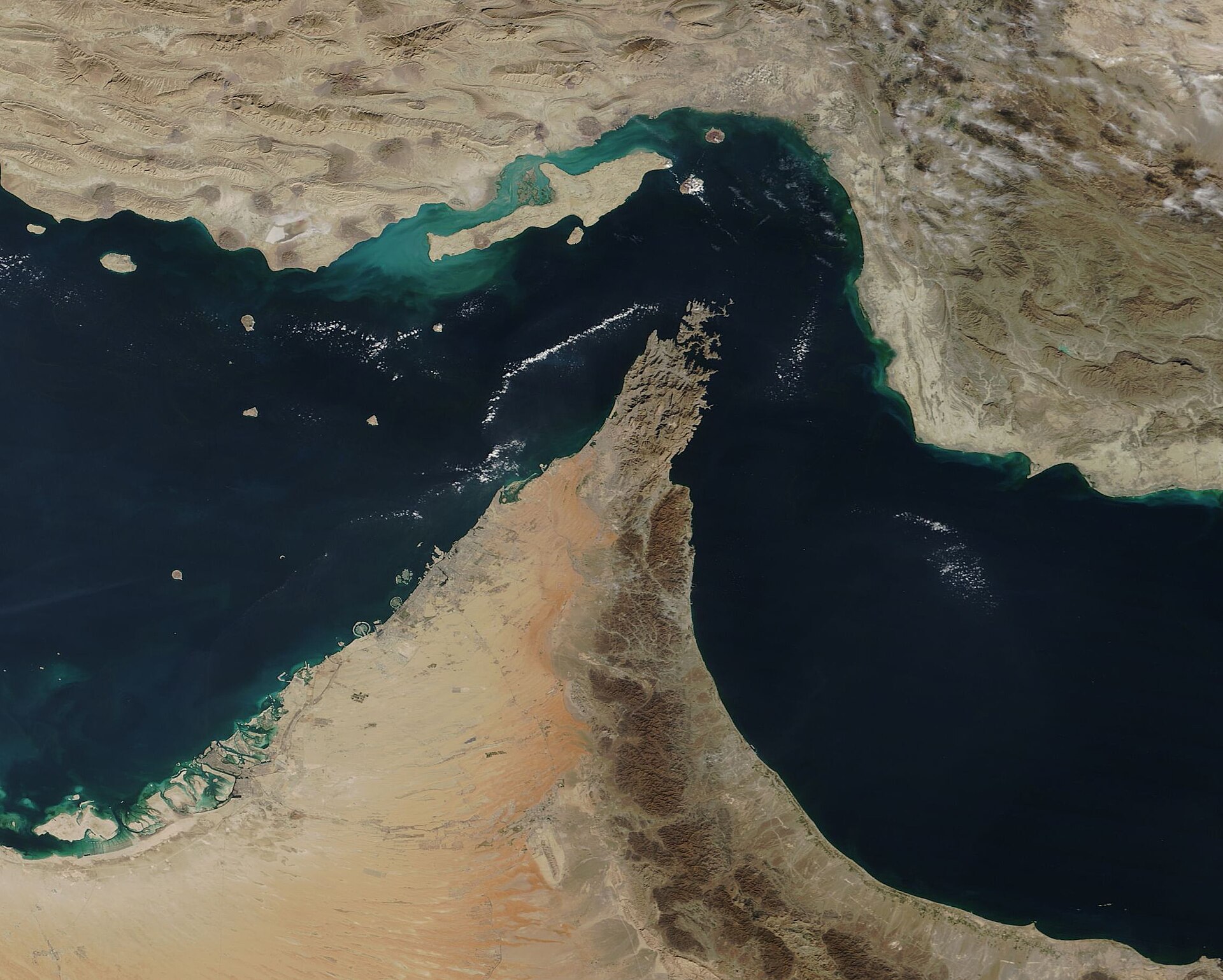
In recent weeks the world’s attention has been unwillingly drawn to the tiny Strait of Hormuz, a crucial waterway connecting the oil-rich Persian Gulf to the global economy. It has been effectively sealed since 1st March 2026, first by an Iranian then by a Trumpian blockade, holding us all to ransom.
But this same tiny Strait of Hormuz has long been a strategic hotspot – it once held our earliest ancestors to ransom, controlling their fate and the very course of our civilization. Geological aeons ago it used to be a terrestrial boundary that effectively sealed the Persian Gulf from the Gulf of Oman and the Indian Ocean for thousands of years. During the Last Glacial Maximum (roughly 20,000 to 18,000 years ago), global sea levels were about 120 metres lower than they are today, and because the Persian Gulf is an exceptionally shallow basin (averaging only 35–50 metres deep), the entire area was dry land.
The Gulf Oasis Theory
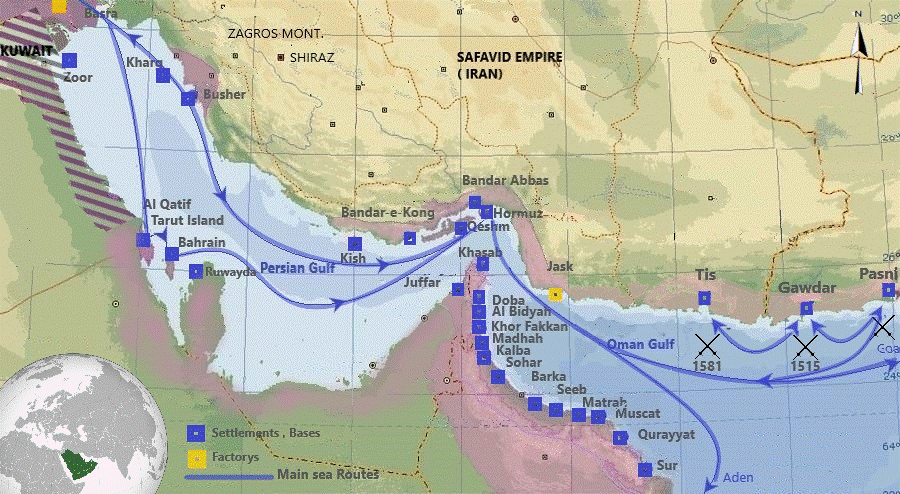
This is where it gets interesting and connects to the very birthplace of civilization, because the ‘seal’ at Hormuz is a core part of the Gulf Oasis Theory, whereby ancestors of the Sumerians, the very first known civilization, inventors of the first cities, wheeled transport, writing and the calendar, began to emerge in the shallow valley that is today the sea bed beneath the Persian Gulf. The Tigris and Euphrates rivers at that time flowed out through the shallow valley as a single massive river system, emptying directly into the Gulf of Oman.
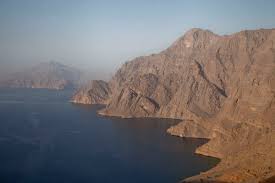
As the glaciers melted and sea levels rose c. 12,000BC the Indian Ocean eventually breached the ‘sill’ of the Strait of Hormuz, opening it up as a narrow waterway. Having lived in the UAE and in Oman for many years in the 1980s and 1990s I have fond memories of hunting for marine fossils in the mountains of Musandam. The geological evidence for the region’s past is overwhelming.
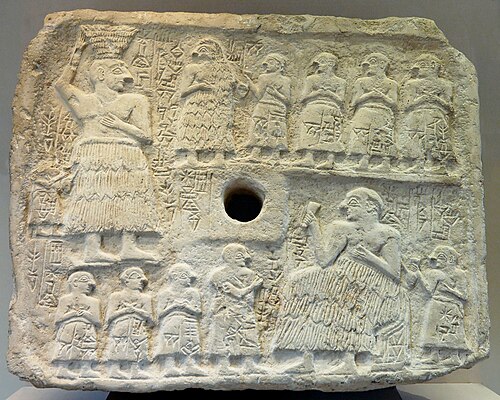
Once the barrier at Hormuz was breached the river valley was gradually flooded, with the western portion near modern-day Kuwait and Iraq submerged by roughly 9,500 BC. While it had been protected from the sea for millenia the fertile low-lying river valley had served as a kind of Paradise to the ancestors of the Sumerians. As the Persian Gulf flooded due to rising sea levels these early hunting/fishing peoples were forced to move up into the newly formed southern Mesopotamian marshes. The memory of the ocean eventually breaking through the gateway that is today’s Strait of Hormuz is what many researchers believe gave the Sumerians, whose own civilization began to emerge c. 4000BC, the deep-time foundation for their flood myths, as described in the Epic of Gilgamesh, also thought to be the forerunner of the biblical flood story.
This theory aligns with the Sumerian myth of Dilmun (the island frequently identified with today’s Kingdom of Bahrain) as their sacred paradise homeland, a place associated with the origin of life in their texts, where the sun rises and fresh waters mingle with the sea. The hero Gilgamesh travels to Dilmun to learn the secret of eternal life, and it is often regarded as the location of the later biblical Garden of Eden. Bahrain still boasts abundant sweet water springs, both inland and offshore, a vital resource that supported its historic pearl diving industry. The very name ‘Bahrain’, Arabic for ‘Two Seas’, refers to its unique fresh water and sea water assets. Various goddesses of vegetation and life were believed to be born in Dilmun, including Ninti, ‘the lady of the rib’, whose story parallels the creation of Eve from Adam’s rib.
Tonight, as Iran pronounces the Strait of Hormuz ‘open’ again, the world is breathing a collective sigh of relief. Trump would do well to respect the ancient civilization here from which we are all descended, and to remember that even he cannot change the geography of this unique area. Today’s Persian Gulf, man’s earliest maritime trading hub which linked Mesopotamia to the Indus Valley and beyond, was after all where the art of the deal first began…

