Alabaster sarcophagus of Hafez being stroked in reverence
Far from being a homogenous grouping of devout Muslims, as the last 47 years of rule by the Islamic Republic would have us believe, Iran’s population of 93 million is a diverse multi-ethnic people. ‘We never did Islam the way they wanted us to,’ was the clear refrain I met from Iranians during my last tour of Iran. The empty mosques bore witness, serving largely as places for men to take a nap on the carpet during their lunch break. This was in September 2014, shortly after the UK and Iran announced their intention to resume diplomatic relations, broken off in 2011 following the storming of the British Embassy in Tehran by protesters chanting ‘Death to England.’ Decades of colonial interference in Iranian affairs, including the 1953 coup to install the Shah as absolute ruler (codenamed Operation Boot) to protect Britain’s oil interests, have left little love lost between the UK and Iran.
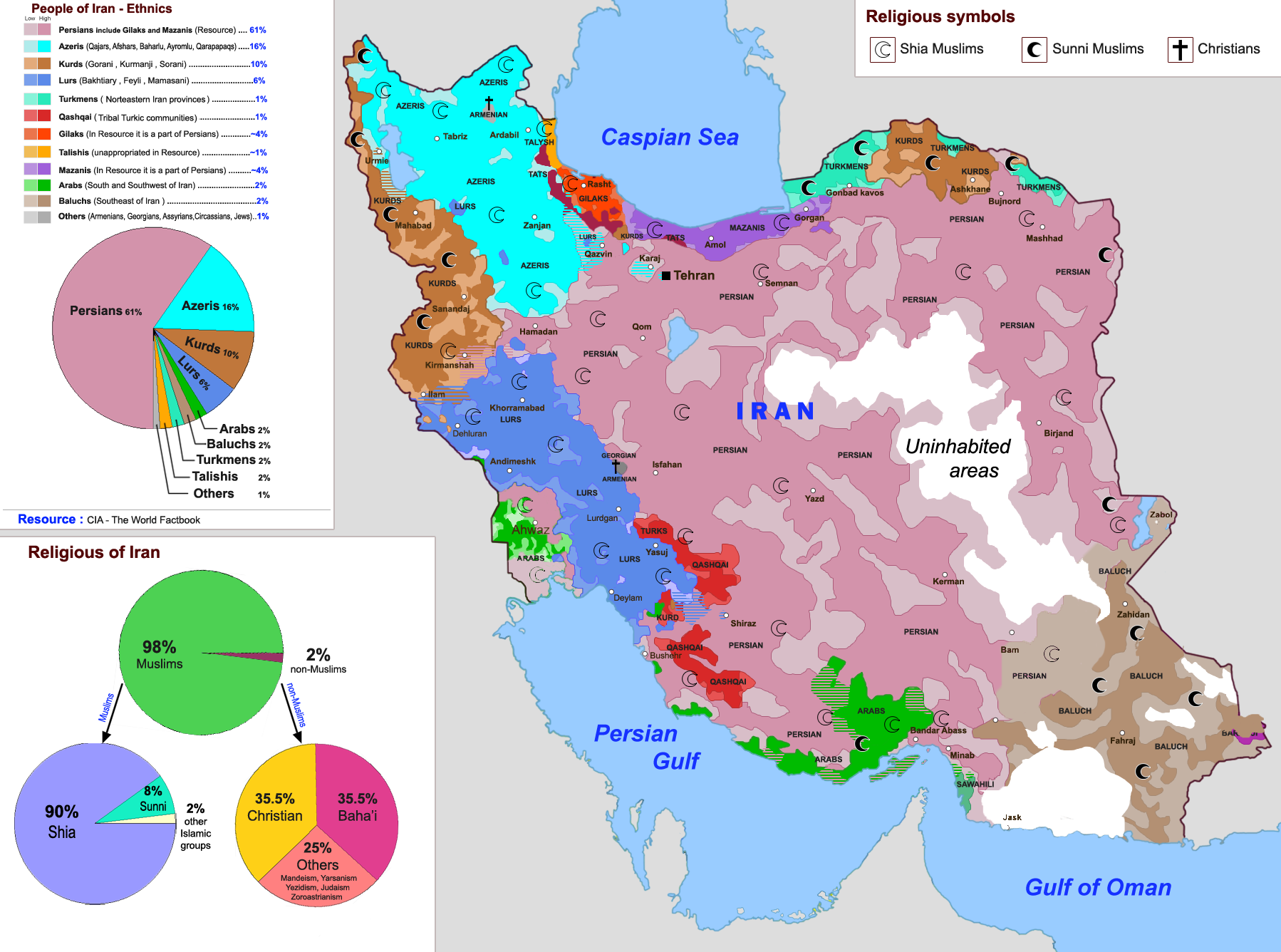
Today’s Iranian government officially registers all citizens born to Muslim parents as Muslim, an act which effectively masks the true personal beliefs of the younger generation. It does not, however, officially collect detailed ethnic data in its census, so figures are of necessity estimates, but the World Population Review 2026 gives a 51-61% core of Persians, 16-24% Azerbaijanis, 7-10% Kurds, 8% Gilaks and Mazandaranis, 2-6% Lurs, 2-3% Arabs, 2% Baluch and 2% Turkmen and other Turkic groups.
What these diverse multi-ethnic groups do, however, share, is a strong cultural identity. The joke runs that in every Iranian home there are two books, Hafez and the Qur’an. One is read and the other unread.
Hafez, the fourteenth century national poet, represents the rich complexities of Iran’s identity. His tomb in Shiraz, Iran’s most liberal city, is a place of pilgrimage day and night, with crowds of devotees stroking his alabaster sarcophagus. His poetry, besides lauding the joys of love and wine, also targets religious hypocrisy. “Preachers who display their piety in prayers and pulpit”, he wrote 600 years ago, “behave differently when they are alone. Why do those who decree repentance do so little of it?”
While the West remains obsessed with Iran’s nuclear enrichment, it is an open secret that well-connected clerics and businessmen enrich themselves through sanction busting. When I lacked the cash in Isfahan to buy a rug, the dealer simply rang a friend in Dubai and processed the supposedly banned credit card transaction. It duly appeared on my statement as a purchase made in Dubai.
Despite the mullahs’ best endeavours – or maybe because of them – there have been fundamental changes in Iranian society since the revolution in 1979. More women than men now graduate from university, leading to a well-educated female population that is refusing to breed, despite government incentives: ironically, a consequence of the mullahs’ own policy of spreading education.
Though the minorities are usually blended in the cities, many are concentrated in the border regions: the Kurds in the northwest, the Beluch in the southeast, the Turkmen in the northeast and the Arabs in the oil-rich southwest. If the central authority of the IRGC were to collapse, it could trigger a significant splintering in peripheral regions where historical grievances and armed movements are most deeply embedded. The Kurds in particular are the most potent ethnic opposition, and have a history of revolution against the Iranian regime, but also of disunity, frequently descending into infighting. The best organized are the PKK, Turkey’s nemesis, whom President Erdogan would be furious to see armed by the US, as Trump has hinted.
Given the lack of unified opposition to the IRGC, a power vacuum could see chaos, civil war and a resurgence of movements seeking independence. Deep divisions exist between the Persia-centric opposition royalists who would welcome the return of the Shah’s son, Reza Pahlavi, and the ethnic minorities.
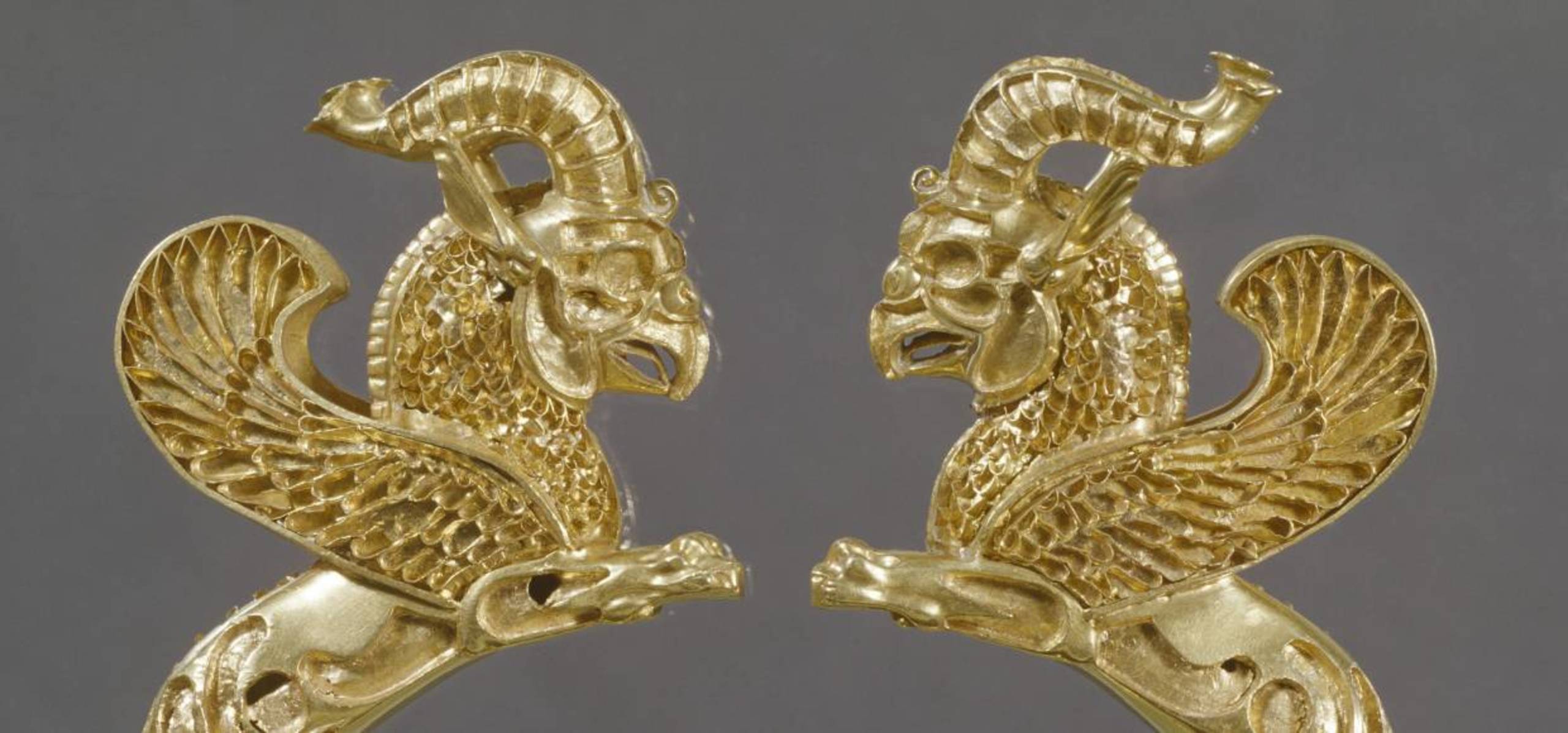
Recent independent surveys have found that Iranians are increasingly embracing their pre-Islamic heritage as another way of expressing anti-regime sentiment. There is immense pride in the unique Persian identity of their ancient Zoroastrian religion, almost as a kind of cultural nationalism. With origins to much earlier than 600BC, when Cyrus the Great adopted it as the state faith, it is one of the world’s first monotheistic religions, introducing the idea of a single supreme deity, Ahura Mazda, often represented as an eagle- winged disc with a human figure emerging from the centre. Scholars believe Zoroastrianism profoundly shaped the foundations of Judaism, Christianity and Islam, specifically its belief in the dualism of the eternal struggle between good and evil, the Final Judgement, angels and demons, the resurrection of the dead, and heaven and hell.
In 1979 the mullahs did a deal, allowing Zoroastrians one seat in Parliament if they did not oppose the regime. The fire temple in Yazd, spiritual heart of Zoroastrianism, has burned for over 1500 years, and the faith today is said to be experiencing a resurgence especially among young Iranians, among whom there is a marked trend away from traditional religious practice.
[Some elements of this article first appeared in a feature entitled ‘The ghosts of Iran’ published in The Tablet magazine, 12 March 2026, co-authored with John McHugo.]



 dianadarke